
The advancement of digital technology has transformed almost all aspects of life, including how our children learn. Devices, the internet, and a wide array of applications have now become part of pupils’ daily routines. The question that subsequently arises for educators and parents is no longer whether technology needs to be present in schools, but rather how it should be introduced so that it truly enhances education, rather than merely following a trend.
At Yayasan Al Muslim, this question is answered through Digislamic, short for Digital Islamic. Digislamic is the school’s endeavour to integrate the utilisation of digital technology with Islamic values across the entire learning process. This platform serves as a learning space that supports teachers and pupils alike, without shifting the primary objective of education: to shape individuals who are knowledgeable, well-mannered, and beneficial to others.
Why Schools Need to Have a Presence in the Digital Realm
Pupils today are growing up as a generation accustomed to screens. If schools do not establish a meaningful presence in the digital realm, that space will be filled by other parties who may not necessarily instil the values we hope for. Therefore, a school’s presence in the digital world is not merely an option, but a core educational responsibility.
Digislamic is designed to enable the school to deliver structured content, interactions, and learning experiences. Teachers can manage materials, set assignments, and monitor learning progress in a more organised manner. Pupils also gain more flexible access to learning, ensuring that the learning process does not cease when the home bell rings.
Having a dedicated digital space owned by the school also provides a sense of security. The materials studied undergo thorough selection by educators, the interaction environment is controlled, and the values that define the school are well preserved.
What Digislamic Entails
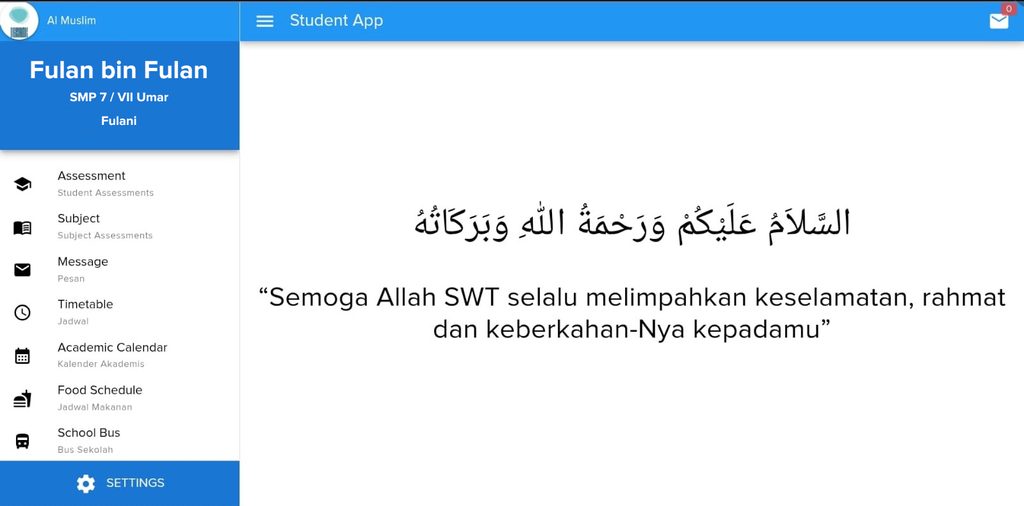
Digislamic refers to the utilisation of digital technology, such as online learning platforms, mobile applications, and interactive multimedia, to convey and deepen pupils’ understanding. This comprehension spans across all subjects, not just religious studies. The word Islamic reinforces that technology is employed within the framework of values, etiquette, and the ultimate aims of Islamic education.
In other words, Digislamic is not simply transferring textbooks onto screens. It represents a perspective that technology is a means to an end. Much like any other human innovation, its value is determined by our intentions and how we utilise it. Technology used correctly can pave a smooth path towards acquiring knowledge, whereas technology used without direction can alienate a child from the true purpose of learning.
The Pillars of Digislamic
First, meaningful learning. Technology is used to make concepts easier to grasp, for instance, through visualisation, instructional videos, interactive quizzes, and simulations. The goal is deep understanding, not mere rote learning or completing tasks.
Second, character building. Honesty, responsibility, discipline, and proper etiquette remain the foundation, even when pupils learn online. Teachers offer guidance so that digital communication ethics align with the moral character taught in the classroom.
Third, collaboration between school and family. Technology enables parents to follow their child’s learning progress more easily. Smoother communication helps home and school work side by side, as a child’s education cannot succeed if left entirely to one party.
Fourth, enhancing teacher competence. No matter how good a platform is, it means nothing without teachers who are equipped to utilise it. Therefore, training and familiarity for educators are vital parts of the school’s digital transformation journey.
Benefits for Pupils, Teachers, and Parents
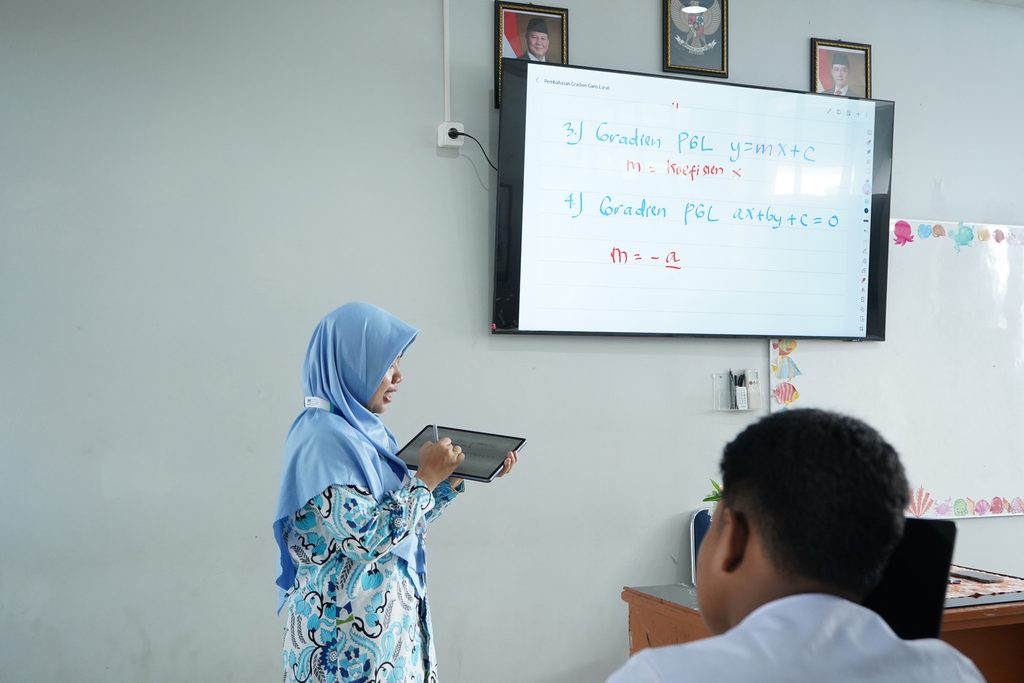
For pupils, Digislamic opens up more flexible learning opportunities. Materials can be reviewed at any time, ensuring that children who require more time to grasp a concept are not left behind. Meanwhile, pupils who absorb lessons quickly can enrich their knowledge with extension materials.
For teachers, the digital platform streamlines learning administration, from content delivery and setting assignments to tracking achievements. Time previously spent on administrative tasks can be redirected towards what matters most: mentoring pupils individually.
For parents, information transparency provides added value. Parents can stay informed about what their children are learning and how they are progressing, enabling more targeted support at home.
Striking a Balance: Technology is Not the Ultimate Goal
Despite offering numerous benefits, technology usage must remain balanced. Excessive screen time, dependency on devices, and exposure to inappropriate content are real challenges. Consequently, Digislamic is always positioned as a supporting tool rather than a substitute for the role of teachers, face-to-face interaction, and moral role-modelling.
The school also encourages pupils to remain active, socialise, perform prayers, and engage in real-world play. Healthy digital learning is that which nurtures a child into a more complete human being, rather than keeping them confined behind a screen.
Digislamic is the embodiment of Yayasan Al Muslim’s commitment to delivering an education that is relevant to the modern era without abandoning its core values. This journey continues to evolve, and the school remains open to feedback from parents, teachers, and pupils.
May this endeavour contribute to our shared efforts in nurturing a generation that is technologically adept, strong in character, and close to Islamic values. Because in the end, technology is merely a tool, whereas the true goal of education is to cultivate knowledgeable and well-mannered individuals.